

QUICK LINK
Stainless Steel Tile Trim vs Aluminum Trim: Which Is Better?
When it comes to modern interior finishing, tile edge protection is often overlooked but extremely important. Choosing the right tile trim not only improves aesthetics but also protects tile edges from chipping, moisture damage, and long-term wear.
Among the most popular options in the market today are stainless steel tile trim and aluminum tile trim. Both materials are widely used in residential and commercial projects, but they offer very different performance characteristics.
So the key question is: Stainless steel tile trim vs aluminum trim – which is better?
In this guide, we will break down their differences in durability, corrosion resistance, design flexibility, installation, cost, and application scenarios. By the end, you will clearly understand which tile edge trim is best for your project needs.
What Is Tile Trim and Why Is It Important?
Tile trim (also called tile edge trim or tile edging profile) is used to finish the exposed edges of tiled surfaces. It serves both functional and decorative purposes.
Main functions of tile trim:
- Protect tile edges from cracking and chipping
- Create clean, professional-looking edges
- Cover sharp or unfinished tile borders
- Improve waterproofing in wet areas
- Enhance overall design aesthetics
Common materials include stainless steel, aluminum, PVC, and brass, but stainless steel tile trim and aluminum trim are the most widely used in modern construction.
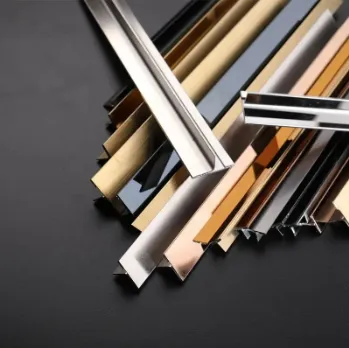
Stainless Steel Tile Trim vs Aluminum Trim: Overview
Before comparing in detail, let’s define both materials:
Stainless Steel Tile Trim
Stainless steel tile trim is made from corrosion-resistant steel alloys, commonly 304 or 316 grades. It is known for strength, durability, and a premium metallic finish. It is widely used in luxury homes, commercial buildings, and high-moisture environments.
Aluminum Tile Trim
Aluminum trim is made from lightweight aluminum alloy. It is easier to cut and install, and often more affordable. It is commonly used in residential projects and decorative interior finishes.
Brands like WINTON offer both stainless steel tile trim and aluminum tile trim solutions for different architectural needs.
Durability Comparison
Stainless Steel Tile Trim
Stainless steel is extremely strong and resistant to impact. It does not easily bend or deform, making it ideal for high-traffic areas. It can withstand heavy use in commercial spaces, hotels, airports, and shopping malls.
Aluminum Trim
Aluminum is softer and more flexible, which makes it easier to work with. However, it is more prone to dents and scratches, especially in high-impact areas.
Verdict:
If durability is your priority, stainless steel tile trim is clearly superior.
Corrosion Resistance
Stainless Steel Tile Trim
One of the biggest advantages of stainless steel tile trim is its excellent corrosion resistance. Grades like 304 and 316 perform very well in humid or wet environments such as bathrooms, kitchens, and swimming pools.
Aluminum Trim
Aluminum naturally forms an oxide layer that protects it from corrosion, but it is still more vulnerable in harsh or salty environments over time.
Verdict:
For long-term moisture resistance, stainless steel tile trim wins again.
Aesthetic and Design Options
Stainless Steel Tile Trim
Stainless steel tile trim offers a premium, modern look. It is available in brushed, mirror-polished, matte black, gold, and PVD-coated finishes. It pairs well with luxury tile designs and minimalist interiors.
Aluminum Trim
Aluminum trim also comes in multiple colors, often powder-coated. It offers more flexibility in color matching but may not achieve the same high-end metallic finish as stainless steel.
Design Note:
Many high-end projects prefer stainless steel tile trim from suppliers like WINTON because of its refined visual appeal.
Weight and Installation
Stainless Steel Tile Trim
Stainless steel is heavier and harder, which makes cutting and installation slightly more difficult. It may require professional tools and skilled labor.
Aluminum Trim
Aluminum is lightweight and easy to cut, bend, and install. DIY installers often prefer aluminum for this reason.
Verdict:
For ease of installation, aluminum trim is more user-friendly.
Cost Comparison
Stainless Steel Tile Trim
Stainless steel tile trim is generally more expensive due to material cost and manufacturing complexity. However, it offers longer service life and lower replacement needs.
Aluminum Trim
Aluminum is more budget-friendly and suitable for cost-sensitive projects or temporary installations.
Long-Term Perspective:
While aluminum saves money upfront, stainless steel tile trim often provides better long-term value.
Application Scenarios
Best uses for Stainless Steel Tile Trim:
- Luxury residential interiors
- Hotel lobbies and corridors
- Commercial shopping centers
- Kitchens and bathrooms
- Swimming pools and spa areas
Best uses for Aluminum Trim:
- Residential DIY projects
- Low-traffic interior spaces
- Decorative wall edges
- Budget renovation projects
Environmental and Maintenance Factors
Stainless Steel Tile Trim
- Highly recyclable
- Low maintenance
- Resistant to staining and discoloration
- Long lifespan (often decades)
Aluminum Trim
- Also recyclable
- May require replacement sooner
- Can scratch or fade over time depending on coating quality
From a sustainability standpoint, both materials are good, but stainless steel tends to have a longer lifecycle.
Stainless Steel Tile Trim vs Aluminum Trim: Key Summary
- Strength: Stainless steel wins
- Corrosion resistance: Stainless steel wins
- Cost: Aluminum wins
- Installation: Aluminum wins
- Aesthetic premium feel: Stainless steel wins
- Long-term value: Stainless steel wins
In most professional construction and interior design projects, stainless steel tile trim is considered the premium and more durable solution.
Choosing the Right Tile Trim for Your Project
When deciding between stainless steel tile trim and aluminum trim, consider the following:
- Budget limitations
- Environmental conditions (wet or dry areas)
- Expected traffic and wear level
- Design style and finish requirements
- Installation skill level
For high-end architectural projects, many contractors prefer stainless steel tile trim systems from manufacturers like WINTON, while aluminum remains a practical choice for simpler or budget-focused applications.
Conclusion
The comparison of stainless steel tile trim vs aluminum trim clearly shows that both materials have their advantages, but they serve different purposes.
If you are looking for strength, durability, corrosion resistance, and a premium finish, stainless steel tile trim is the better investment. If you prioritize lightweight handling, easy installation, and lower cost, then aluminum trim is a practical alternative.
Ultimately, the best choice depends on your project requirements, but for long-lasting performance and modern architectural appeal, stainless steel remains the top choice in the tile trim industry.
FAQs
1. Is stainless steel tile trim better than aluminum trim?
Yes, in terms of durability, corrosion resistance, and long-term performance, stainless steel tile trim is generally better. However, aluminum trim is easier to install and more affordable.
2. Where should I use stainless steel tile trim?
Stainless steel tile trim is ideal for bathrooms, kitchens, commercial buildings, hotels, and any high-moisture or high-traffic environments where durability is important.
3. Does aluminum tile trim rust?
Aluminum does not rust like iron, but it can corrode or oxidize over time, especially in harsh or coastal environments. Protective coatings help improve its lifespan.
4. Is stainless steel tile trim expensive?
Yes, it is more expensive than aluminum trim. However, it offers longer service life and lower maintenance, making it more cost-effective in the long run.
5. Can I install tile trim myself?
Aluminum trim is easier for DIY installation due to its lightweight nature. Stainless steel tile trim usually requires more precise cutting tools and professional installation for best results.
When it comes to modern interior finishing, tile edge protection is often overlooked but extremely important. Choosing the right tile trim not only improves aesthetics but also protects tile edges from chipping, moisture damage, and long-term wear.
Among the most popular options in the market today are stainless steel tile trim and aluminum tile trim. Both materials are widely used in residential and commercial projects, but they offer very different performance characteristics.
So the key question is: Stainless steel tile trim vs aluminum trim – which is better?
In this guide, we will break down their differences in durability, corrosion resistance, design flexibility, installation, cost, and application scenarios. By the end, you will clearly understand which tile edge trim is best for your project needs.
What Is Tile Trim and Why Is It Important?
Tile trim (also called tile edge trim or tile edging profile) is used to finish the exposed edges of tiled surfaces. It serves both functional and decorative purposes.
Main functions of tile trim:
- Protect tile edges from cracking and chipping
- Create clean, professional-looking edges
- Cover sharp or unfinished tile borders
- Improve waterproofing in wet areas
- Enhance overall design aesthetics
Common materials include stainless steel, aluminum, PVC, and brass, but stainless steel tile trim and aluminum trim are the most widely used in modern construction.
Stainless Steel Tile Trim vs Aluminum Trim: Overview
Before comparing in detail, let’s define both materials:
Stainless Steel Tile Trim
Stainless steel tile trim is made from corrosion-resistant steel alloys, commonly 304 or 316 grades. It is known for strength, durability, and a premium metallic finish. It is widely used in luxury homes, commercial buildings, and high-moisture environments.
Aluminum Tile Trim
Aluminum trim is made from lightweight aluminum alloy. It is easier to cut and install, and often more affordable. It is commonly used in residential projects and decorative interior finishes.
Brands like WINTON offer both stainless steel tile trim and aluminum tile trim solutions for different architectural needs.
Durability Comparison
Stainless Steel Tile Trim
Stainless steel is extremely strong and resistant to impact. It does not easily bend or deform, making it ideal for high-traffic areas. It can withstand heavy use in commercial spaces, hotels, airports, and shopping malls.
Aluminum Trim
Aluminum is softer and more flexible, which makes it easier to work with. However, it is more prone to dents and scratches, especially in high-impact areas.
Verdict:
If durability is your priority, stainless steel tile trim is clearly superior.
Corrosion Resistance
Stainless Steel Tile Trim
One of the biggest advantages of stainless steel tile trim is its excellent corrosion resistance. Grades like 304 and 316 perform very well in humid or wet environments such as bathrooms, kitchens, and swimming pools.
Aluminum Trim
Aluminum naturally forms an oxide layer that protects it from corrosion, but it is still more vulnerable in harsh or salty environments over time.
Verdict:
For long-term moisture resistance, stainless steel tile trim wins again.
Aesthetic and Design Options
Stainless Steel Tile Trim
Stainless steel tile trim offers a premium, modern look. It is available in brushed, mirror-polished, matte black, gold, and PVD-coated finishes. It pairs well with luxury tile designs and minimalist interiors.
Aluminum Trim
Aluminum trim also comes in multiple colors, often powder-coated. It offers more flexibility in color matching but may not achieve the same high-end metallic finish as stainless steel.
Design Note:
Many high-end projects prefer stainless steel tile trim from suppliers like WINTON because of its refined visual appeal.
Weight and Installation
Stainless Steel Tile Trim
Stainless steel is heavier and harder, which makes cutting and installation slightly more difficult. It may require professional tools and skilled labor.
Aluminum Trim
Aluminum is lightweight and easy to cut, bend, and install. DIY installers often prefer aluminum for this reason.
Verdict:
For ease of installation, aluminum trim is more user-friendly.
Cost Comparison
Stainless Steel Tile Trim
Stainless steel tile trim is generally more expensive due to material cost and manufacturing complexity. However, it offers longer service life and lower replacement needs.
Aluminum Trim
Aluminum is more budget-friendly and suitable for cost-sensitive projects or temporary installations.
Long-Term Perspective:
While aluminum saves money upfront, stainless steel tile trim often provides better long-term value.
Application Scenarios
Best uses for Stainless Steel Tile Trim:
- Luxury residential interiors
- Hotel lobbies and corridors
- Commercial shopping centers
- Kitchens and bathrooms
- Swimming pools and spa areas
Best uses for Aluminum Trim:
- Residential DIY projects
- Low-traffic interior spaces
- Decorative wall edges
- Budget renovation projects
Environmental and Maintenance Factors
Stainless Steel Tile Trim
- Highly recyclable
- Low maintenance
- Resistant to staining and discoloration
- Long lifespan (often decades)
Aluminum Trim
- Also recyclable
- May require replacement sooner
- Can scratch or fade over time depending on coating quality
From a sustainability standpoint, both materials are good, but stainless steel tends to have a longer lifecycle.
Stainless Steel Tile Trim vs Aluminum Trim: Key Summary
- Strength: Stainless steel wins
- Corrosion resistance: Stainless steel wins
- Cost: Aluminum wins
- Installation: Aluminum wins
- Aesthetic premium feel: Stainless steel wins
- Long-term value: Stainless steel wins
In most professional construction and interior design projects, stainless steel tile trim is considered the premium and more durable solution.
Choosing the Right Tile Trim for Your Project
When deciding between stainless steel tile trim and aluminum trim, consider the following:
- Budget limitations
- Environmental conditions (wet or dry areas)
- Expected traffic and wear level
- Design style and finish requirements
- Installation skill level
For high-end architectural projects, many contractors prefer stainless steel tile trim systems from manufacturers like WINTON, while aluminum remains a practical choice for simpler or budget-focused applications.
Conclusion
The comparison of stainless steel tile trim vs aluminum trim clearly shows that both materials have their advantages, but they serve different purposes.
If you are looking for strength, durability, corrosion resistance, and a premium finish, stainless steel tile trim is the better investment. If you prioritize lightweight handling, easy installation, and lower cost, then aluminum trim is a practical alternative.
Ultimately, the best choice depends on your project requirements, but for long-lasting performance and modern architectural appeal, stainless steel remains the top choice in the tile trim industry.
FAQs
1. Is stainless steel tile trim better than aluminum trim?
Yes, in terms of durability, corrosion resistance, and long-term performance, stainless steel tile trim is generally better. However, aluminum trim is easier to install and more affordable.
2. Where should I use stainless steel tile trim?
Stainless steel tile trim is ideal for bathrooms, kitchens, commercial buildings, hotels, and any high-moisture or high-traffic environments where durability is important.
3. Does aluminum tile trim rust?
Aluminum does not rust like iron, but it can corrode or oxidize over time, especially in harsh or coastal environments. Protective coatings help improve its lifespan.
4. Is stainless steel tile trim expensive?
Yes, it is more expensive than aluminum trim. However, it offers longer service life and lower maintenance, making it more cost-effective in the long run.
5. Can I install tile trim myself?
Aluminum trim is easier for DIY installation due to its lightweight nature. Stainless steel tile trim usually requires more precise cutting tools and professional installation for best results.