

QUICK LINK
Applications of Stainless Steel Coil in Construction and Manufacturing
Stainless steel coil is one of the most versatile and widely used materials in modern industry. From large-scale construction projects to precision manufacturing processes, stainless steel coil plays a critical role in delivering strength, corrosion resistance, and long-term reliability.
In today’s global market, industries demand materials that are not only durable but also cost-effective and adaptable. Stainless steel coil meets these expectations by offering excellent formability, high tensile strength, and resistance to rust and extreme environments.
Whether it is used for building facades, HVAC systems, automotive parts, or industrial equipment, stainless steel coil continues to be a foundational material across multiple sectors. In this article, we will explore the main applications of stainless steel coil in construction and manufacturing, along with its benefits, variations, and real-world use cases.
What Is Stainless Steel Coil?
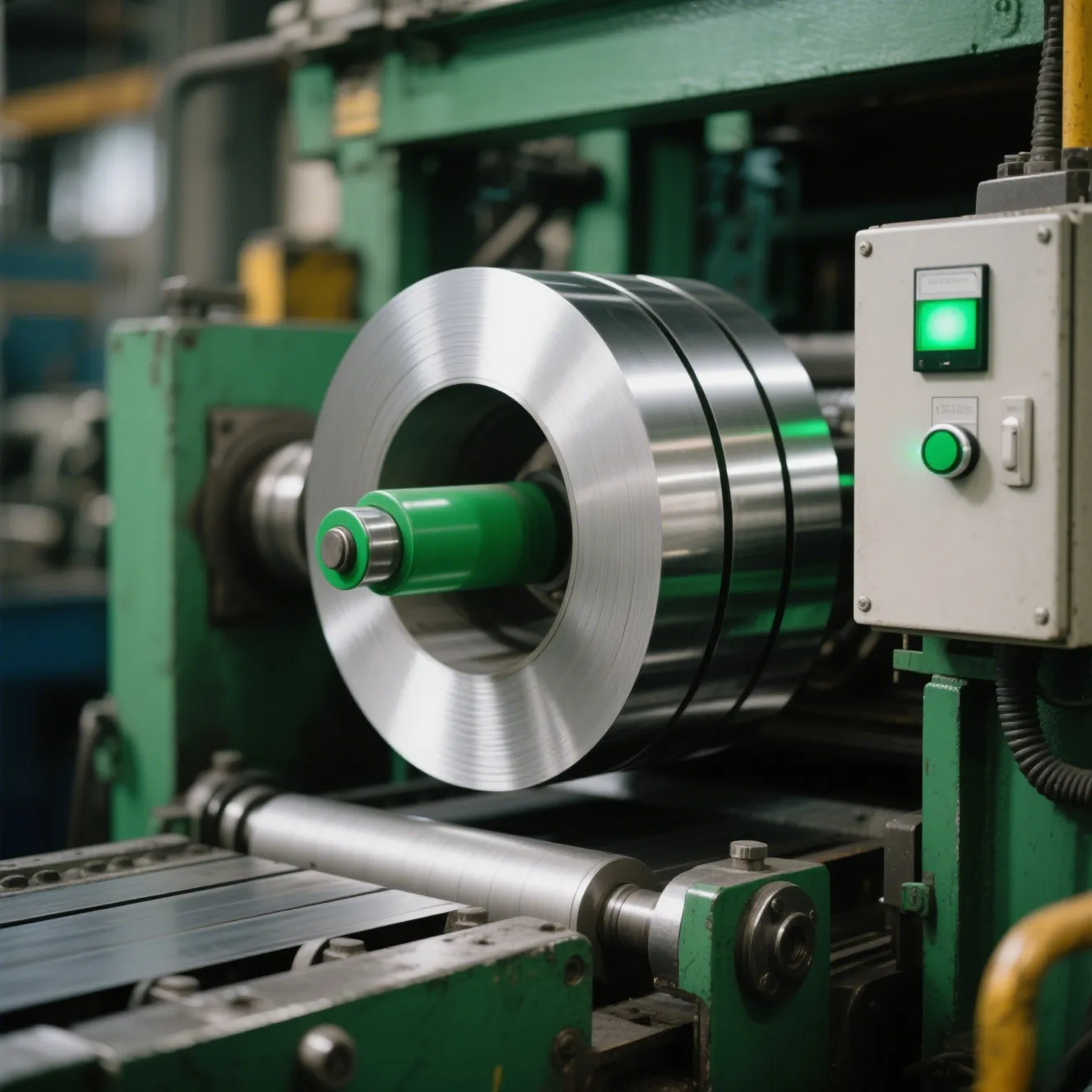
Stainless steel coil is a continuous strip of stainless steel that has been rolled into a coil form. It is produced through hot rolling or cold rolling processes and is available in different grades, thicknesses, and surface finishes.
Common grades include 304, 316, and 430, each offering different levels of corrosion resistance and mechanical properties. Because of its flexibility and strength, stainless steel coil is widely used in both structural and decorative applications.
Key Properties of Stainless Steel Coil
Before understanding its applications, it is important to know why stainless steel coil is so widely used:
- Corrosion resistance: Ideal for harsh environments and outdoor applications
- High strength-to-weight ratio: Strong without being excessively heavy
- Excellent formability: Easy to cut, bend, and shape
- Temperature resistance: Performs well in both high and low temperatures
- Long service life: Reduces maintenance and replacement costs
- Aesthetic finish: Suitable for architectural and decorative use
These properties make stainless steel coil a preferred choice in both construction and manufacturing industries.
Applications of Stainless Steel Coil in Construction
1. Building Facades and Exterior Cladding
One of the most common uses of stainless steel coil in construction is for building facades and exterior cladding systems. Architects prefer stainless steel coil because it offers a modern, sleek appearance while maintaining structural durability.
It resists weathering, UV exposure, and pollution, making it ideal for skyscrapers, commercial buildings, and public infrastructure.
Many high-end architectural projects also use decorative finishes such as brushed or mirror-polished stainless steel coil to enhance visual appeal.
2. Roofing and Wall Panels
Stainless steel coil is frequently used in roofing systems and wall panels due to its corrosion resistance and long lifespan. Unlike traditional materials, it does not easily rust or degrade under rain, snow, or humidity.
In coastal regions or industrial zones, stainless steel coil provides a reliable protective layer for buildings, ensuring structural integrity over decades.
Brands like WINTON supply high-quality stainless steel coil used in advanced roofing systems for both residential and commercial projects.
3. Structural Components and Reinforcement
In modern construction, stainless steel coil is also processed into structural components such as beams, supports, and reinforcements.
Its high tensile strength makes it suitable for load-bearing applications, especially in environments where steel must withstand both mechanical stress and environmental corrosion.
Engineers often choose stainless steel coil for bridges, tunnels, and marine structures where durability is critical.
4. Interior Design and Decorative Elements
Beyond structural use, stainless steel coil is widely applied in interior design. It is used for elevator panels, wall decorations, ceilings, and furniture accents.
Because it can be finished in multiple textures—such as matte, brushed, or mirror—it allows designers to create premium aesthetic effects while maintaining durability.
In luxury hotels, airports, and commercial spaces, stainless steel coil is a preferred material for modern interior styling.
Applications of Stainless Steel Coil in Manufacturing
1. Automotive Industry
The automotive industry is one of the largest consumers of stainless steel coil. It is used in:
- Exhaust systems
- Trim components
- Structural reinforcements
- Fuel tanks
Its heat resistance and corrosion resistance make it ideal for vehicles exposed to extreme conditions. Stainless steel coil also helps improve vehicle safety and lifespan.
2. Household Appliances
Many household appliances are manufactured using stainless steel coil, including:
- Refrigerators
- Washing machines
- Ovens
- Dishwashers
The material ensures hygiene, easy cleaning, and long-term durability. Stainless steel coil is especially important in kitchen appliances where moisture and heat are constantly present.
3. Industrial Equipment and Machinery
In manufacturing plants, stainless steel coil is used to produce tanks, pipelines, conveyors, and processing equipment.
Its resistance to chemical corrosion makes it essential in industries such as:
- Food processing
- Chemical production
- Pharmaceutical manufacturing
For example, stainless steel coil ensures that storage tanks remain uncontaminated and safe for sensitive materials.
4. HVAC Systems and Ventilation
Heating, ventilation, and air conditioning (HVAC) systems rely heavily on stainless steel coil for ducts, air handling units, and heat exchangers.
Its ability to resist rust and withstand temperature fluctuations ensures long-term efficiency and reduced maintenance costs.
5. Electronics and Precision Manufacturing
In electronics manufacturing, stainless steel coil is used for components requiring precision, stability, and resistance to electromagnetic interference.
It is commonly found in:
- Computer hardware components
- Electrical enclosures
- Precision instruments
Manufacturers rely on consistent quality stainless steel coil to ensure product reliability.
Advantages of Using Stainless Steel Coil
The widespread use of stainless steel coil is not accidental. It offers several key advantages:
- Cost efficiency over time due to low maintenance
- Sustainability, as it is fully recyclable
- Versatility across multiple industries
- High durability in extreme environments
- Improved safety in structural applications
Companies such as WINTON focus on delivering stainless steel coil that meets international quality standards for both construction and manufacturing needs.
Market Trends and Future Outlook
The demand for stainless steel coil continues to grow globally, driven by urbanization, infrastructure development, and industrial expansion.
Several key trends are shaping the future:
- Increased use in green building projects
- Rising demand in electric vehicle production
- Growth in renewable energy infrastructure
- Advancements in surface finishing technology
As industries move toward sustainability and efficiency, stainless steel coil will remain a core material in future development.
Conclusion
Stainless steel coil is an essential material in both construction and manufacturing industries. Its strength, corrosion resistance, and versatility make it suitable for a wide range of applications—from building facades and structural components to automotive systems and industrial machinery.
As technology advances and industry demands grow, stainless steel coil will continue to play a vital role in shaping modern infrastructure and production systems. With reliable suppliers like WINTON, industries can ensure consistent quality and performance across projects.
FAQs About Stainless Steel Coil
1. What is stainless steel coil used for in construction?
Stainless steel coil is used in construction for roofing, wall cladding, facades, structural reinforcements, and interior decoration. Its durability and corrosion resistance make it ideal for long-term building applications.
2. Why is stainless steel coil preferred in manufacturing?
Stainless steel coil is preferred because it offers high strength, resistance to heat and chemicals, and excellent formability. These properties make it suitable for automotive, appliance, and industrial equipment manufacturing.
3. What grades of stainless steel coil are commonly used?
The most common grades include 304, 316, and 430. Grade 304 is widely used for general applications, 316 offers superior corrosion resistance, and 430 is often used in cost-sensitive projects.
4. Is stainless steel coil environmentally friendly?
Yes, stainless steel coil is fully recyclable and has a long service life, which reduces waste and resource consumption. It is widely considered a sustainable material in modern industry.
5. How do I choose the right stainless steel coil for my project?
Choosing the right stainless steel coil depends on factors such as environment, strength requirements, corrosion resistance, and budget. Consulting with a supplier like WINTON can help ensure the correct material selection for your application.
Stainless steel coil is one of the most versatile and widely used materials in modern industry. From large-scale construction projects to precision manufacturing processes, stainless steel coil plays a critical role in delivering strength, corrosion resistance, and long-term reliability.
In today’s global market, industries demand materials that are not only durable but also cost-effective and adaptable. Stainless steel coil meets these expectations by offering excellent formability, high tensile strength, and resistance to rust and extreme environments.
Whether it is used for building facades, HVAC systems, automotive parts, or industrial equipment, stainless steel coil continues to be a foundational material across multiple sectors. In this article, we will explore the main applications of stainless steel coil in construction and manufacturing, along with its benefits, variations, and real-world use cases.
What Is Stainless Steel Coil?
Stainless steel coil is a continuous strip of stainless steel that has been rolled into a coil form. It is produced through hot rolling or cold rolling processes and is available in different grades, thicknesses, and surface finishes.
Common grades include 304, 316, and 430, each offering different levels of corrosion resistance and mechanical properties. Because of its flexibility and strength, stainless steel coil is widely used in both structural and decorative applications.
Key Properties of Stainless Steel Coil
Before understanding its applications, it is important to know why stainless steel coil is so widely used:
- Corrosion resistance: Ideal for harsh environments and outdoor applications
- High strength-to-weight ratio: Strong without being excessively heavy
- Excellent formability: Easy to cut, bend, and shape
- Temperature resistance: Performs well in both high and low temperatures
- Long service life: Reduces maintenance and replacement costs
- Aesthetic finish: Suitable for architectural and decorative use
These properties make stainless steel coil a preferred choice in both construction and manufacturing industries.
Applications of Stainless Steel Coil in Construction
1. Building Facades and Exterior Cladding
One of the most common uses of stainless steel coil in construction is for building facades and exterior cladding systems. Architects prefer stainless steel coil because it offers a modern, sleek appearance while maintaining structural durability.
It resists weathering, UV exposure, and pollution, making it ideal for skyscrapers, commercial buildings, and public infrastructure.
Many high-end architectural projects also use decorative finishes such as brushed or mirror-polished stainless steel coil to enhance visual appeal.
2. Roofing and Wall Panels
Stainless steel coil is frequently used in roofing systems and wall panels due to its corrosion resistance and long lifespan. Unlike traditional materials, it does not easily rust or degrade under rain, snow, or humidity.
In coastal regions or industrial zones, stainless steel coil provides a reliable protective layer for buildings, ensuring structural integrity over decades.
Brands like WINTON supply high-quality stainless steel coil used in advanced roofing systems for both residential and commercial projects.
3. Structural Components and Reinforcement
In modern construction, stainless steel coil is also processed into structural components such as beams, supports, and reinforcements.
Its high tensile strength makes it suitable for load-bearing applications, especially in environments where steel must withstand both mechanical stress and environmental corrosion.
Engineers often choose stainless steel coil for bridges, tunnels, and marine structures where durability is critical.
4. Interior Design and Decorative Elements
Beyond structural use, stainless steel coil is widely applied in interior design. It is used for elevator panels, wall decorations, ceilings, and furniture accents.
Because it can be finished in multiple textures—such as matte, brushed, or mirror—it allows designers to create premium aesthetic effects while maintaining durability.
In luxury hotels, airports, and commercial spaces, stainless steel coil is a preferred material for modern interior styling.
Applications of Stainless Steel Coil in Manufacturing
1. Automotive Industry
The automotive industry is one of the largest consumers of stainless steel coil. It is used in:
- Exhaust systems
- Trim components
- Structural reinforcements
- Fuel tanks
Its heat resistance and corrosion resistance make it ideal for vehicles exposed to extreme conditions. Stainless steel coil also helps improve vehicle safety and lifespan.
2. Household Appliances
Many household appliances are manufactured using stainless steel coil, including:
- Refrigerators
- Washing machines
- Ovens
- Dishwashers
The material ensures hygiene, easy cleaning, and long-term durability. Stainless steel coil is especially important in kitchen appliances where moisture and heat are constantly present.
3. Industrial Equipment and Machinery
In manufacturing plants, stainless steel coil is used to produce tanks, pipelines, conveyors, and processing equipment.
Its resistance to chemical corrosion makes it essential in industries such as:
- Food processing
- Chemical production
- Pharmaceutical manufacturing
For example, stainless steel coil ensures that storage tanks remain uncontaminated and safe for sensitive materials.
4. HVAC Systems and Ventilation
Heating, ventilation, and air conditioning (HVAC) systems rely heavily on stainless steel coil for ducts, air handling units, and heat exchangers.
Its ability to resist rust and withstand temperature fluctuations ensures long-term efficiency and reduced maintenance costs.
5. Electronics and Precision Manufacturing
In electronics manufacturing, stainless steel coil is used for components requiring precision, stability, and resistance to electromagnetic interference.
It is commonly found in:
- Computer hardware components
- Electrical enclosures
- Precision instruments
Manufacturers rely on consistent quality stainless steel coil to ensure product reliability.
Advantages of Using Stainless Steel Coil
The widespread use of stainless steel coil is not accidental. It offers several key advantages:
- Cost efficiency over time due to low maintenance
- Sustainability, as it is fully recyclable
- Versatility across multiple industries
- High durability in extreme environments
- Improved safety in structural applications
Companies such as WINTON focus on delivering stainless steel coil that meets international quality standards for both construction and manufacturing needs.
Market Trends and Future Outlook
The demand for stainless steel coil continues to grow globally, driven by urbanization, infrastructure development, and industrial expansion.
Several key trends are shaping the future:
- Increased use in green building projects
- Rising demand in electric vehicle production
- Growth in renewable energy infrastructure
- Advancements in surface finishing technology
As industries move toward sustainability and efficiency, stainless steel coil will remain a core material in future development.
Conclusion
Stainless steel coil is an essential material in both construction and manufacturing industries. Its strength, corrosion resistance, and versatility make it suitable for a wide range of applications—from building facades and structural components to automotive systems and industrial machinery.
As technology advances and industry demands grow, stainless steel coil will continue to play a vital role in shaping modern infrastructure and production systems. With reliable suppliers like WINTON, industries can ensure consistent quality and performance across projects.
FAQs About Stainless Steel Coil
1. What is stainless steel coil used for in construction?
Stainless steel coil is used in construction for roofing, wall cladding, facades, structural reinforcements, and interior decoration. Its durability and corrosion resistance make it ideal for long-term building applications.
2. Why is stainless steel coil preferred in manufacturing?
Stainless steel coil is preferred because it offers high strength, resistance to heat and chemicals, and excellent formability. These properties make it suitable for automotive, appliance, and industrial equipment manufacturing.
3. What grades of stainless steel coil are commonly used?
The most common grades include 304, 316, and 430. Grade 304 is widely used for general applications, 316 offers superior corrosion resistance, and 430 is often used in cost-sensitive projects.
4. Is stainless steel coil environmentally friendly?
Yes, stainless steel coil is fully recyclable and has a long service life, which reduces waste and resource consumption. It is widely considered a sustainable material in modern industry.
5. How do I choose the right stainless steel coil for my project?
Choosing the right stainless steel coil depends on factors such as environment, strength requirements, corrosion resistance, and budget. Consulting with a supplier like WINTON can help ensure the correct material selection for your application.