

QUICK LINK
Comprehensive Guide of Sandblasted Stainless Steel
Sandblasted stainless steel has become an increasingly popular surface finish across architecture, manufacturing, and interior design. Known for its matte texture and refined appearance, this finish enhances both the durability and visual appeal of stainless steel. Unlike polished or brushed finishes, sandblasting creates a uniform, non-reflective surface that is ideal for modern and industrial applications.
In today’s competitive market, industries demand materials that are not only strong and corrosion-resistant but also aesthetically versatile. Sandblasted stainless steel meets these requirements by combining functionality with style. Whether used in decorative panels, machinery parts, or architectural facades, this finish offers a unique balance of performance and design flexibility.
This comprehensive guide will explore everything you need to know about sandblasted stainless steel, including its process, properties, benefits, applications, and maintenance tips. If you are considering this finish for your next project, this article will help you make an informed decision.
What Is Sandblasted Stainless Steel?
Sandblasted stainless steel refers to stainless steel that has undergone a surface treatment process using abrasive materials propelled at high speed. This process removes impurities, smooths imperfections, and creates a consistent matte or textured finish.
The abrasives used in sandblasting may include:
- Silica sand
- Glass beads
- Aluminum oxide
- Steel grit
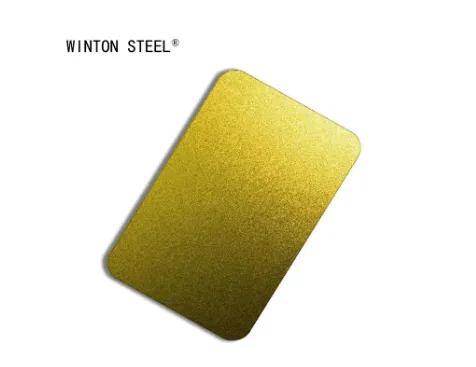
The result is a clean, slightly rough surface that diffuses light instead of reflecting it. This makes sandblasted stainless steel ideal for applications where glare reduction and a subtle aesthetic are desired.
How the Sandblasting Process Works
Surface Preparation
Before sandblasting begins, the stainless steel surface must be thoroughly cleaned. Any grease, oil, or contaminants are removed to ensure consistent results.
Abrasive Blasting
The core step involves blasting abrasive particles onto the surface using compressed air or a mechanical system. The intensity and type of abrasive determine the final texture.
Finishing and Inspection
After blasting, the surface is inspected for uniformity. Additional treatments such as passivation or coating may be applied to enhance corrosion resistance.
Key Characteristics of Sandblasted Stainless Steel
1. Matte and Non-Reflective Finish
One of the most notable features is its soft, matte appearance. This reduces glare, making it suitable for both indoor and outdoor applications.
2. Enhanced Surface Uniformity
Sandblasting removes surface irregularities, resulting in a consistent and smooth texture.
3. Improved Adhesion
The slightly rough surface improves adhesion for coatings, paints, and bonding applications.
4. Corrosion Resistance
While stainless steel is naturally corrosion-resistant, sandblasting followed by proper treatment can further enhance its durability.
5. Fingerprint Resistance
Compared to polished finishes, sandblasted stainless steel is less prone to showing fingerprints and smudges.
Advantages of Sandblasted Stainless Steel
Aesthetic Appeal
Sandblasted stainless steel offers a modern and sophisticated look. Its understated finish works well in contemporary architecture and interior design.
Durability
The process strengthens the surface by removing weak layers and contaminants. This results in improved resistance to wear and environmental factors.
Versatility
This finish can be applied to various grades of stainless steel, including:
- 304 stainless steel
- 316 stainless steel
- 430 stainless steel
Low Maintenance
The matte surface hides scratches and fingerprints better than mirror-polished finishes, reducing the need for frequent cleaning.
Cost-Effective
Compared to other decorative finishes, sandblasting is relatively economical while still delivering high-quality results.
Sandblasted vs. Other Stainless Steel Finishes
Sandblasted vs. Polished
- Polished stainless steel is reflective and glossy
- Sandblasted stainless steel is matte and non-reflective
Polished finishes are ideal for decorative use, while sandblasted finishes are better for functional and industrial environments.
Sandblasted vs. Brushed
- Brushed finish has visible directional lines
- Sandblasted finish is uniform and texture-based
Sandblasting provides a more even appearance without directional grain patterns.
Sandblasted vs. Etched
- Etched stainless steel involves chemical processes
- Sandblasted stainless steel uses mechanical abrasion
Sandblasting is generally faster and more cost-effective.
Common Applications of Sandblasted Stainless Steel
Architectural Design
Sandblasted stainless steel is widely used in:
- Building facades
- Elevator panels
- Handrails
- Wall cladding
Its anti-glare properties make it ideal for outdoor installations.
Interior Decoration
Designers favor this finish for:
- Kitchen appliances
- Furniture accents
- Decorative panels
It adds a modern, industrial touch to interiors.
Industrial Equipment
In manufacturing environments, sandblasted stainless steel is used for:
- Machinery components
- Equipment housings
- Storage tanks
The enhanced durability ensures long-term performance.
Automotive and Transportation
Applications include:
- Vehicle trim
- Structural components
- Marine hardware
Its corrosion resistance is particularly valuable in harsh environments.
Factors Affecting Sandblasting Results
Type of Abrasive Material
Different abrasives create different textures. For example:
- Glass beads produce a smoother finish
- Aluminum oxide creates a rougher texture
Pressure and Speed
Higher pressure results in a more aggressive finish, while lower pressure creates a finer texture.
Distance and Angle
The distance between the nozzle and the surface affects the intensity of the process.
Stainless Steel Grade
Different grades respond differently to sandblasting, influencing the final appearance.
Maintenance and Cleaning Tips
Proper maintenance is essential to preserve the appearance and performance of sandblasted stainless steel.
Regular Cleaning
Use mild soap and water to remove dirt and debris. Avoid harsh chemicals that may damage the surface.
Avoid Abrasive Tools
Do not use steel wool or rough brushes, as they can alter the texture.
Drying
Always dry the surface after cleaning to prevent water spots.
Protective Coatings
Applying a protective coating can enhance corrosion resistance and extend the lifespan of the material.
Environmental and Safety Considerations
Sandblasting involves high-speed particles and dust, which require proper safety measures.
Worker Safety
Operators should wear:
- Protective clothing
- Gloves
- Respirators
- Eye protection
Environmental Impact
Modern sandblasting systems use dust collection and recycling methods to minimize environmental impact.
Why Choose Sandblasted Stainless Steel for Your Project?
Sandblasted stainless steel offers a unique combination of aesthetics, durability, and practicality. It is suitable for a wide range of industries, from construction to manufacturing.
For businesses seeking reliable and high-quality stainless steel solutions, companies like WINTON provide advanced surface finishing technologies. With precise control over the sandblasting process, WINTON ensures consistent quality and performance across different applications.
Future Trends in Sandblasted Stainless Steel
As industries evolve, the demand for functional yet visually appealing materials continues to grow. Sandblasted stainless steel is expected to see increased use in:
- Sustainable architecture
- Smart manufacturing
- High-end interior design
Innovations in abrasive technology and automation will further improve efficiency and finish quality.
Conclusion
Sandblasted stainless steel is a versatile and durable material that combines modern aesthetics with practical performance. Its matte finish, corrosion resistance, and low maintenance requirements make it an ideal choice for a wide range of applications.
From architectural facades to industrial equipment, this finish continues to gain popularity due to its ability to meet both functional and design needs. By understanding the process, benefits, and maintenance requirements, you can effectively incorporate sandblasted stainless steel into your projects.
For manufacturers and buyers looking for consistent quality and advanced finishing solutions, WINTON stands out as a trusted partner in the stainless steel industry.

FAQs
What is sandblasted stainless steel?
Sandblasted stainless steel is stainless steel that has been treated with high-speed abrasive materials to create a uniform matte surface. This process improves both appearance and surface performance.
Is sandblasted stainless steel corrosion-resistant?
Yes, stainless steel is naturally corrosion-resistant, and sandblasting can enhance this property when combined with proper post-treatment such as passivation.
Does sandblasted stainless steel scratch easily?
While no surface is completely scratch-proof, the matte texture helps conceal minor scratches better than polished finishes.
Can sandblasted stainless steel be used outdoors?
Yes, it is suitable for outdoor applications, especially when using corrosion-resistant grades like 304 or 316 stainless steel.
How do you clean sandblasted stainless steel?
Use mild soap, water, and a soft cloth. Avoid harsh chemicals and abrasive tools to maintain the surface finish.
What industries use sandblasted stainless steel?
It is widely used in architecture, interior design, industrial manufacturing, automotive, and marine industries due to its durability and aesthetic appeal.
Sandblasted stainless steel has become an increasingly popular surface finish across architecture, manufacturing, and interior design. Known for its matte texture and refined appearance, this finish enhances both the durability and visual appeal of stainless steel. Unlike polished or brushed finishes, sandblasting creates a uniform, non-reflective surface that is ideal for modern and industrial applications.
In today’s competitive market, industries demand materials that are not only strong and corrosion-resistant but also aesthetically versatile. Sandblasted stainless steel meets these requirements by combining functionality with style. Whether used in decorative panels, machinery parts, or architectural facades, this finish offers a unique balance of performance and design flexibility.
This comprehensive guide will explore everything you need to know about sandblasted stainless steel, including its process, properties, benefits, applications, and maintenance tips. If you are considering this finish for your next project, this article will help you make an informed decision.
What Is Sandblasted Stainless Steel?
Sandblasted stainless steel refers to stainless steel that has undergone a surface treatment process using abrasive materials propelled at high speed. This process removes impurities, smooths imperfections, and creates a consistent matte or textured finish.
The abrasives used in sandblasting may include:
- Silica sand
- Glass beads
- Aluminum oxide
- Steel grit
The result is a clean, slightly rough surface that diffuses light instead of reflecting it. This makes sandblasted stainless steel ideal for applications where glare reduction and a subtle aesthetic are desired.
How the Sandblasting Process Works
Surface Preparation
Before sandblasting begins, the stainless steel surface must be thoroughly cleaned. Any grease, oil, or contaminants are removed to ensure consistent results.
Abrasive Blasting
The core step involves blasting abrasive particles onto the surface using compressed air or a mechanical system. The intensity and type of abrasive determine the final texture.
Finishing and Inspection
After blasting, the surface is inspected for uniformity. Additional treatments such as passivation or coating may be applied to enhance corrosion resistance.
Key Characteristics of Sandblasted Stainless Steel
1. Matte and Non-Reflective Finish
One of the most notable features is its soft, matte appearance. This reduces glare, making it suitable for both indoor and outdoor applications.
2. Enhanced Surface Uniformity
Sandblasting removes surface irregularities, resulting in a consistent and smooth texture.
3. Improved Adhesion
The slightly rough surface improves adhesion for coatings, paints, and bonding applications.
4. Corrosion Resistance
While stainless steel is naturally corrosion-resistant, sandblasting followed by proper treatment can further enhance its durability.
5. Fingerprint Resistance
Compared to polished finishes, sandblasted stainless steel is less prone to showing fingerprints and smudges.
Advantages of Sandblasted Stainless Steel
Aesthetic Appeal
Sandblasted stainless steel offers a modern and sophisticated look. Its understated finish works well in contemporary architecture and interior design.
Durability
The process strengthens the surface by removing weak layers and contaminants. This results in improved resistance to wear and environmental factors.
Versatility
This finish can be applied to various grades of stainless steel, including:
- 304 stainless steel
- 316 stainless steel
- 430 stainless steel
Low Maintenance
The matte surface hides scratches and fingerprints better than mirror-polished finishes, reducing the need for frequent cleaning.
Cost-Effective
Compared to other decorative finishes, sandblasting is relatively economical while still delivering high-quality results.
Sandblasted vs. Other Stainless Steel Finishes
Sandblasted vs. Polished
- Polished stainless steel is reflective and glossy
- Sandblasted stainless steel is matte and non-reflective
Polished finishes are ideal for decorative use, while sandblasted finishes are better for functional and industrial environments.
Sandblasted vs. Brushed
- Brushed finish has visible directional lines
- Sandblasted finish is uniform and texture-based
Sandblasting provides a more even appearance without directional grain patterns.
Sandblasted vs. Etched
- Etched stainless steel involves chemical processes
- Sandblasted stainless steel uses mechanical abrasion
Sandblasting is generally faster and more cost-effective.
Common Applications of Sandblasted Stainless Steel
Architectural Design
Sandblasted stainless steel is widely used in:
- Building facades
- Elevator panels
- Handrails
- Wall cladding
Its anti-glare properties make it ideal for outdoor installations.
Interior Decoration
Designers favor this finish for:
- Kitchen appliances
- Furniture accents
- Decorative panels
It adds a modern, industrial touch to interiors.
Industrial Equipment
In manufacturing environments, sandblasted stainless steel is used for:
- Machinery components
- Equipment housings
- Storage tanks
The enhanced durability ensures long-term performance.
Automotive and Transportation
Applications include:
- Vehicle trim
- Structural components
- Marine hardware
Its corrosion resistance is particularly valuable in harsh environments.
Factors Affecting Sandblasting Results
Type of Abrasive Material
Different abrasives create different textures. For example:
- Glass beads produce a smoother finish
- Aluminum oxide creates a rougher texture
Pressure and Speed
Higher pressure results in a more aggressive finish, while lower pressure creates a finer texture.
Distance and Angle
The distance between the nozzle and the surface affects the intensity of the process.
Stainless Steel Grade
Different grades respond differently to sandblasting, influencing the final appearance.
Maintenance and Cleaning Tips
Proper maintenance is essential to preserve the appearance and performance of sandblasted stainless steel.
Regular Cleaning
Use mild soap and water to remove dirt and debris. Avoid harsh chemicals that may damage the surface.
Avoid Abrasive Tools
Do not use steel wool or rough brushes, as they can alter the texture.
Drying
Always dry the surface after cleaning to prevent water spots.
Protective Coatings
Applying a protective coating can enhance corrosion resistance and extend the lifespan of the material.
Environmental and Safety Considerations
Sandblasting involves high-speed particles and dust, which require proper safety measures.
Worker Safety
Operators should wear:
- Protective clothing
- Gloves
- Respirators
- Eye protection
Environmental Impact
Modern sandblasting systems use dust collection and recycling methods to minimize environmental impact.
Why Choose Sandblasted Stainless Steel for Your Project?
Sandblasted stainless steel offers a unique combination of aesthetics, durability, and practicality. It is suitable for a wide range of industries, from construction to manufacturing.
For businesses seeking reliable and high-quality stainless steel solutions, companies like WINTON provide advanced surface finishing technologies. With precise control over the sandblasting process, WINTON ensures consistent quality and performance across different applications.
Future Trends in Sandblasted Stainless Steel
As industries evolve, the demand for functional yet visually appealing materials continues to grow. Sandblasted stainless steel is expected to see increased use in:
- Sustainable architecture
- Smart manufacturing
- High-end interior design
Innovations in abrasive technology and automation will further improve efficiency and finish quality.
Conclusion
Sandblasted stainless steel is a versatile and durable material that combines modern aesthetics with practical performance. Its matte finish, corrosion resistance, and low maintenance requirements make it an ideal choice for a wide range of applications.
From architectural facades to industrial equipment, this finish continues to gain popularity due to its ability to meet both functional and design needs. By understanding the process, benefits, and maintenance requirements, you can effectively incorporate sandblasted stainless steel into your projects.
For manufacturers and buyers looking for consistent quality and advanced finishing solutions, WINTON stands out as a trusted partner in the stainless steel industry.
FAQs
What is sandblasted stainless steel?
Sandblasted stainless steel is stainless steel that has been treated with high-speed abrasive materials to create a uniform matte surface. This process improves both appearance and surface performance.
Is sandblasted stainless steel corrosion-resistant?
Yes, stainless steel is naturally corrosion-resistant, and sandblasting can enhance this property when combined with proper post-treatment such as passivation.
Does sandblasted stainless steel scratch easily?
While no surface is completely scratch-proof, the matte texture helps conceal minor scratches better than polished finishes.
Can sandblasted stainless steel be used outdoors?
Yes, it is suitable for outdoor applications, especially when using corrosion-resistant grades like 304 or 316 stainless steel.
How do you clean sandblasted stainless steel?
Use mild soap, water, and a soft cloth. Avoid harsh chemicals and abrasive tools to maintain the surface finish.
What industries use sandblasted stainless steel?
It is widely used in architecture, interior design, industrial manufacturing, automotive, and marine industries due to its durability and aesthetic appeal.