

QUICK LINK
What are Stainless Steel PVD Sheets? Properties, Uses and Composition
Stainless steel PVD sheets have become increasingly popular in architecture, interior design, and industrial manufacturing. Known for their durability, vibrant colors, and superior surface performance, these sheets offer a modern alternative to traditional finishes.
PVD, or Physical Vapor Deposition, is an advanced coating technology that enhances the surface of stainless steel without compromising its core strength. As industries demand materials that combine aesthetics with functionality, stainless steel PVD sheets stand out as a high-performance solution.
In this article, we will explore the composition, properties, and applications of stainless steel PVD sheets. We will also explain why they are widely used across various industries and how they contribute to long-term cost efficiency and sustainability.
What are Stainless Steel PVD Sheets?
Stainless steel PVD sheets are stainless steel panels coated using a vacuum-based process called Physical Vapor Deposition (PVD). This process deposits a thin, durable coating onto the surface of stainless steel, enhancing both its appearance and performance.
Unlike traditional electroplating or painting, PVD coating forms a molecular bond with the stainless steel surface. This results in a finish that is highly resistant to wear, corrosion, and fading.
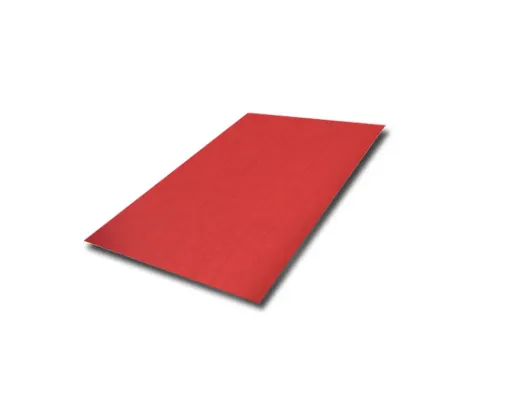
These sheets are available in a variety of colors such as gold, rose gold, black, bronze, and blue. They can also feature different surface finishes, including mirror, brushed, etched, and embossed textures.
Manufacturers like WINTON have optimized PVD coating techniques to produce high-quality stainless steel sheets suitable for demanding architectural and decorative applications.
Composition of Stainless Steel PVD Sheets
Understanding the composition of stainless steel PVD sheets helps explain their superior performance.
1. Base Material: Stainless Steel
The core material is typically stainless steel, most commonly grades such as:
- 304 stainless steel
- 316 stainless steel
- 201 stainless steel
These grades contain key elements:
- Iron (Fe) – the primary component
- Chromium (Cr) – provides corrosion resistance
- Nickel (Ni) – enhances strength and ductility
- Molybdenum (Mo) – improves resistance to harsh environments (especially in 316)
2. PVD Coating Layer
The PVD coating is created by vaporizing a solid metal (such as titanium or zirconium) in a vacuum environment. The vapor then condenses onto the stainless steel surface, forming a thin film.
Common coating materials include:
- Titanium Nitride (TiN)
- Zirconium Nitride (ZrN)
- Chromium Nitride (CrN)
These compounds are responsible for the color, hardness, and chemical stability of the finished sheet.
3. Protective Top Layer (Optional)
Some stainless steel PVD sheets include an additional protective coating, such as an anti-fingerprint layer. This improves usability in high-touch environments like elevators and public spaces.
Key Properties of Stainless Steel PVD Sheets
Stainless steel PVD sheets offer a combination of mechanical strength and surface enhancement. Below are the most important properties:
1. Excellent Corrosion Resistance
The chromium content in stainless steel already provides natural corrosion resistance. The PVD coating further enhances this property by creating a protective barrier against moisture, chemicals, and pollutants.
2. High Surface Hardness
PVD coatings significantly increase surface hardness. This makes the sheets resistant to scratches, abrasion, and daily wear, which is essential for high-traffic applications.
3. Long-Lasting Color Stability
Unlike painted or electroplated finishes, PVD coatings do not easily fade or peel. The color is embedded at a molecular level, ensuring long-term stability even under UV exposure.
4. Eco-Friendly Process
The PVD process is environmentally friendly compared to traditional coating methods. It does not involve harmful chemicals or produce toxic waste, making it a sustainable choice.
5. Aesthetic Versatility
Stainless steel PVD sheets are available in a wide range of finishes and colors. Designers can achieve luxurious metallic looks without compromising durability.
6. Heat and Chemical Resistance
These sheets perform well under high temperatures and exposure to chemicals, making them suitable for both indoor and outdoor environments.
Manufacturing Process of PVD Coated Stainless Steel Sheets
Understanding how stainless steel PVD sheets are produced helps highlight their quality.
Step 1: Surface Preparation
The stainless steel sheet is cleaned and polished to remove impurities and ensure a smooth surface.
Step 2: Vacuum Chamber Placement
The sheet is placed inside a vacuum chamber where the PVD process occurs.
Step 3: Vaporization of Coating Material
A metal source is heated until it vaporizes. This vapor reacts with gases like nitrogen to form a coating compound.
Step 4: Deposition
The vaporized particles settle onto the stainless steel surface, forming a thin, uniform coating.
Step 5: Cooling and Inspection
The coated sheet is cooled and inspected for quality, thickness, and finish consistency.
Companies such as WINTON utilize advanced PVD equipment to ensure uniform coating and consistent color quality across batches.
Applications of Stainless Steel PVD Sheets
Stainless steel PVD sheets are widely used across multiple industries due to their performance and visual appeal.
1. Architectural Applications
- Building facades
- Wall cladding
- Column covers
- Elevator interiors
The combination of durability and aesthetics makes them ideal for modern architecture.
2. Interior Design
- Decorative wall panels
- Ceiling designs
- Furniture surfaces
- Kitchen backsplashes
Designers prefer stainless steel PVD sheets for their premium look and versatility.
3. Retail and Commercial Spaces
- Store fixtures
- Display units
- Signage
- Hotel interiors
Their scratch resistance and luxurious finish enhance customer experience.
4. Industrial Applications
- Equipment panels
- Machinery covers
- Cleanroom surfaces
Their resistance to corrosion and chemicals ensures long service life.
5. Transportation Industry
- Elevator cabins
- Escalator panels
- Airport interiors
These environments require materials that withstand heavy use while maintaining appearance.
Advantages of Stainless Steel PVD Sheets
1. Superior Durability
PVD coated stainless steel sheets last longer than traditional coated materials.
2. Low Maintenance
They require minimal cleaning and retain their appearance over time.
3. Cost Efficiency
Although the initial cost may be higher, the long lifespan reduces replacement and maintenance costs.
4. Wide Design Flexibility
Available in multiple finishes and colors, allowing customization for various projects.
5. Sustainable Solution
The eco-friendly coating process supports green building initiatives.
Limitations to Consider
While stainless steel PVD sheets offer many benefits, there are a few limitations:
- Higher upfront cost compared to basic stainless steel
- Limited repair options if the coating is deeply damaged
- Requires careful handling during installation to avoid scratches
However, these drawbacks are generally outweighed by their long-term performance.
How to Choose the Right Stainless Steel PVD Sheet
When selecting stainless steel PVD sheets, consider the following factors:
1. Grade of Stainless Steel
Choose 304 for general use and 316 for marine or high-corrosion environments.
2. Coating Type
Different coatings offer different colors and performance characteristics.
3. Surface Finish
Select mirror, brushed, or textured finishes based on design requirements.
4. Application Environment
Indoor and outdoor applications may require different specifications.
5. Supplier Quality
Work with reliable manufacturers to ensure consistent quality and performance.
Maintenance Tips for PVD Stainless Steel Sheets
Proper maintenance helps extend the lifespan of stainless steel PVD sheets:
- Clean regularly with a soft cloth and mild detergent
- Avoid abrasive materials or harsh chemicals
- Use anti-fingerprint coatings for high-touch areas
- Inspect periodically for damage
With proper care, these sheets can maintain their appearance for many years.
Conclusion
Stainless steel PVD sheets represent a perfect blend of aesthetics, durability, and sustainability. By combining the strength of stainless steel with advanced PVD coating technology, these materials offer superior performance across a wide range of applications.
From architectural facades to interior decoration and industrial use, stainless steel PVD sheets continue to gain popularity due to their long-lasting color, corrosion resistance, and modern appeal.
As industries increasingly prioritize both functionality and design, stainless steel PVD sheets will remain a preferred material choice for innovative and high-end projects.

FAQs
What is PVD stainless steel?
PVD stainless steel refers to stainless steel that has been coated using a Physical Vapor Deposition process. This coating enhances surface properties such as hardness, wear resistance, and color, while maintaining the strength and corrosion resistance of the base material.
Can aluminium be PVD-coated?
Yes, aluminium can be PVD-coated. However, compared to stainless steel, aluminium typically requires additional surface preparation or base coatings to achieve strong adhesion and durability. PVD-coated aluminium is often used in decorative and lightweight applications.
What is PVD coating on stainless steel?
PVD coating is a vacuum-based process that deposits a thin metal layer onto stainless steel. This enhances surface properties such as hardness, color, and corrosion resistance without affecting the base material.
Are stainless steel PVD sheets durable?
Yes, stainless steel PVD sheets are highly durable. The coating improves scratch resistance, wear resistance, and overall lifespan, making them suitable for both decorative and functional applications.
Can PVD coated stainless steel be used outdoors?
Yes, stainless steel PVD sheets can be used outdoors, especially when using high-grade materials like 316 stainless steel. They offer excellent resistance to weather, UV exposure, and corrosion.
Do PVD coatings fade over time?
No, PVD coatings are known for their color stability. Unlike traditional coatings, they do not easily fade, peel, or discolor under normal conditions.
Is PVD stainless steel environmentally friendly?
Yes, the PVD process is eco-friendly. It does not produce harmful emissions or waste, making it a sustainable alternative to traditional coating methods.
Stainless steel PVD sheets have become increasingly popular in architecture, interior design, and industrial manufacturing. Known for their durability, vibrant colors, and superior surface performance, these sheets offer a modern alternative to traditional finishes.
PVD, or Physical Vapor Deposition, is an advanced coating technology that enhances the surface of stainless steel without compromising its core strength. As industries demand materials that combine aesthetics with functionality, stainless steel PVD sheets stand out as a high-performance solution.
In this article, we will explore the composition, properties, and applications of stainless steel PVD sheets. We will also explain why they are widely used across various industries and how they contribute to long-term cost efficiency and sustainability.
What are Stainless Steel PVD Sheets?
Stainless steel PVD sheets are stainless steel panels coated using a vacuum-based process called Physical Vapor Deposition (PVD). This process deposits a thin, durable coating onto the surface of stainless steel, enhancing both its appearance and performance.
Unlike traditional electroplating or painting, PVD coating forms a molecular bond with the stainless steel surface. This results in a finish that is highly resistant to wear, corrosion, and fading.
These sheets are available in a variety of colors such as gold, rose gold, black, bronze, and blue. They can also feature different surface finishes, including mirror, brushed, etched, and embossed textures.
Manufacturers like WINTON have optimized PVD coating techniques to produce high-quality stainless steel sheets suitable for demanding architectural and decorative applications.
Composition of Stainless Steel PVD Sheets
Understanding the composition of stainless steel PVD sheets helps explain their superior performance.
1. Base Material: Stainless Steel
The core material is typically stainless steel, most commonly grades such as:
- 304 stainless steel
- 316 stainless steel
- 201 stainless steel
These grades contain key elements:
- Iron (Fe) – the primary component
- Chromium (Cr) – provides corrosion resistance
- Nickel (Ni) – enhances strength and ductility
- Molybdenum (Mo) – improves resistance to harsh environments (especially in 316)
2. PVD Coating Layer
The PVD coating is created by vaporizing a solid metal (such as titanium or zirconium) in a vacuum environment. The vapor then condenses onto the stainless steel surface, forming a thin film.
Common coating materials include:
- Titanium Nitride (TiN)
- Zirconium Nitride (ZrN)
- Chromium Nitride (CrN)
These compounds are responsible for the color, hardness, and chemical stability of the finished sheet.
3. Protective Top Layer (Optional)
Some stainless steel PVD sheets include an additional protective coating, such as an anti-fingerprint layer. This improves usability in high-touch environments like elevators and public spaces.
Key Properties of Stainless Steel PVD Sheets
Stainless steel PVD sheets offer a combination of mechanical strength and surface enhancement. Below are the most important properties:
1. Excellent Corrosion Resistance
The chromium content in stainless steel already provides natural corrosion resistance. The PVD coating further enhances this property by creating a protective barrier against moisture, chemicals, and pollutants.
2. High Surface Hardness
PVD coatings significantly increase surface hardness. This makes the sheets resistant to scratches, abrasion, and daily wear, which is essential for high-traffic applications.
3. Long-Lasting Color Stability
Unlike painted or electroplated finishes, PVD coatings do not easily fade or peel. The color is embedded at a molecular level, ensuring long-term stability even under UV exposure.
4. Eco-Friendly Process
The PVD process is environmentally friendly compared to traditional coating methods. It does not involve harmful chemicals or produce toxic waste, making it a sustainable choice.
5. Aesthetic Versatility
Stainless steel PVD sheets are available in a wide range of finishes and colors. Designers can achieve luxurious metallic looks without compromising durability.
6. Heat and Chemical Resistance
These sheets perform well under high temperatures and exposure to chemicals, making them suitable for both indoor and outdoor environments.
Manufacturing Process of PVD Coated Stainless Steel Sheets
Understanding how stainless steel PVD sheets are produced helps highlight their quality.
Step 1: Surface Preparation
The stainless steel sheet is cleaned and polished to remove impurities and ensure a smooth surface.
Step 2: Vacuum Chamber Placement
The sheet is placed inside a vacuum chamber where the PVD process occurs.
Step 3: Vaporization of Coating Material
A metal source is heated until it vaporizes. This vapor reacts with gases like nitrogen to form a coating compound.
Step 4: Deposition
The vaporized particles settle onto the stainless steel surface, forming a thin, uniform coating.
Step 5: Cooling and Inspection
The coated sheet is cooled and inspected for quality, thickness, and finish consistency.
Companies such as WINTON utilize advanced PVD equipment to ensure uniform coating and consistent color quality across batches.
Applications of Stainless Steel PVD Sheets
Stainless steel PVD sheets are widely used across multiple industries due to their performance and visual appeal.
1. Architectural Applications
- Building facades
- Wall cladding
- Column covers
- Elevator interiors
The combination of durability and aesthetics makes them ideal for modern architecture.
2. Interior Design
- Decorative wall panels
- Ceiling designs
- Furniture surfaces
- Kitchen backsplashes
Designers prefer stainless steel PVD sheets for their premium look and versatility.
3. Retail and Commercial Spaces
- Store fixtures
- Display units
- Signage
- Hotel interiors
Their scratch resistance and luxurious finish enhance customer experience.
4. Industrial Applications
- Equipment panels
- Machinery covers
- Cleanroom surfaces
Their resistance to corrosion and chemicals ensures long service life.
5. Transportation Industry
- Elevator cabins
- Escalator panels
- Airport interiors
These environments require materials that withstand heavy use while maintaining appearance.
Advantages of Stainless Steel PVD Sheets
1. Superior Durability
PVD coated stainless steel sheets last longer than traditional coated materials.
2. Low Maintenance
They require minimal cleaning and retain their appearance over time.
3. Cost Efficiency
Although the initial cost may be higher, the long lifespan reduces replacement and maintenance costs.
4. Wide Design Flexibility
Available in multiple finishes and colors, allowing customization for various projects.
5. Sustainable Solution
The eco-friendly coating process supports green building initiatives.
Limitations to Consider
While stainless steel PVD sheets offer many benefits, there are a few limitations:
- Higher upfront cost compared to basic stainless steel
- Limited repair options if the coating is deeply damaged
- Requires careful handling during installation to avoid scratches
However, these drawbacks are generally outweighed by their long-term performance.
How to Choose the Right Stainless Steel PVD Sheet
When selecting stainless steel PVD sheets, consider the following factors:
1. Grade of Stainless Steel
Choose 304 for general use and 316 for marine or high-corrosion environments.
2. Coating Type
Different coatings offer different colors and performance characteristics.
3. Surface Finish
Select mirror, brushed, or textured finishes based on design requirements.
4. Application Environment
Indoor and outdoor applications may require different specifications.
5. Supplier Quality
Work with reliable manufacturers to ensure consistent quality and performance.
Maintenance Tips for PVD Stainless Steel Sheets
Proper maintenance helps extend the lifespan of stainless steel PVD sheets:
- Clean regularly with a soft cloth and mild detergent
- Avoid abrasive materials or harsh chemicals
- Use anti-fingerprint coatings for high-touch areas
- Inspect periodically for damage
With proper care, these sheets can maintain their appearance for many years.
Conclusion
Stainless steel PVD sheets represent a perfect blend of aesthetics, durability, and sustainability. By combining the strength of stainless steel with advanced PVD coating technology, these materials offer superior performance across a wide range of applications.
From architectural facades to interior decoration and industrial use, stainless steel PVD sheets continue to gain popularity due to their long-lasting color, corrosion resistance, and modern appeal.
As industries increasingly prioritize both functionality and design, stainless steel PVD sheets will remain a preferred material choice for innovative and high-end projects.
FAQs
What is PVD stainless steel?
PVD stainless steel refers to stainless steel that has been coated using a Physical Vapor Deposition process. This coating enhances surface properties such as hardness, wear resistance, and color, while maintaining the strength and corrosion resistance of the base material.
Can aluminium be PVD-coated?
Yes, aluminium can be PVD-coated. However, compared to stainless steel, aluminium typically requires additional surface preparation or base coatings to achieve strong adhesion and durability. PVD-coated aluminium is often used in decorative and lightweight applications.
What is PVD coating on stainless steel?
PVD coating is a vacuum-based process that deposits a thin metal layer onto stainless steel. This enhances surface properties such as hardness, color, and corrosion resistance without affecting the base material.
Are stainless steel PVD sheets durable?
Yes, stainless steel PVD sheets are highly durable. The coating improves scratch resistance, wear resistance, and overall lifespan, making them suitable for both decorative and functional applications.
Can PVD coated stainless steel be used outdoors?
Yes, stainless steel PVD sheets can be used outdoors, especially when using high-grade materials like 316 stainless steel. They offer excellent resistance to weather, UV exposure, and corrosion.
Do PVD coatings fade over time?
No, PVD coatings are known for their color stability. Unlike traditional coatings, they do not easily fade, peel, or discolor under normal conditions.
Is PVD stainless steel environmentally friendly?
Yes, the PVD process is eco-friendly. It does not produce harmful emissions or waste, making it a sustainable alternative to traditional coating methods.